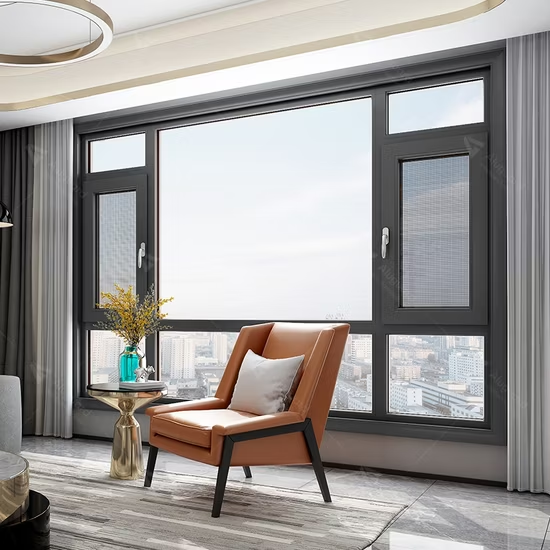
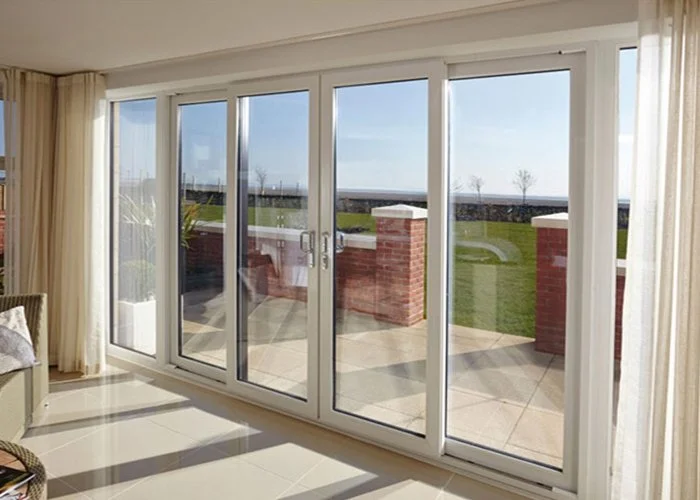
“Sikoya Windows System” knows that choosing the right window material can transform a home’s comfort, appearance, and efficiency. Selecting between uPVC windows and system Aluminium windows affects everything from energy bills to design. Both materials have their fans: uPVC is often praised for insulation and low cost, while Aluminium is prized for sleek looks and strength. In this friendly guide, we’ll break down, the difference between uPVC windows and system Aluminium windows, in detail, covering durability, insulation, noise reduction, cost, and more.
.
Why Choosing the Right Window Material Matters
Windows are more than just windowpanes – they play key roles in safety, energy savings, and style. A high-quality window can block heat or cold, keep out noise, and even protect against intruders. In India’s varied climate, the wrong window may let in humidity or heat, making indoor spaces uncomfortable. That’s why energy efficient windows and durable frames are important – the material (uPVC vs Aluminium) largely dictates these properties. Sikoya Windows System emphasizes that using the right material from the start can save money and hassle over years of use
Growing Popularity of uPVC and Aluminium Windows
In recent years, both uPVC and Aluminium windows have coursed in popularity across India and worldwide. uPVC frames (un-plasticized polyvinyl chloride) became favored for their affordability, thermal performance, and low upkeep. Builders and homeowners often find themselves confused: uPVC windows vs system Aluminium windows.The truth is, each has its niche. For example, Aluminium’s long life and strength make it attractive for large glass walls, while uPVC’s insulation and cost make it ideal for everyday residences. Understanding these materials helps you match your priorities (budget, appearance, insulation, etc.) to the best choice.
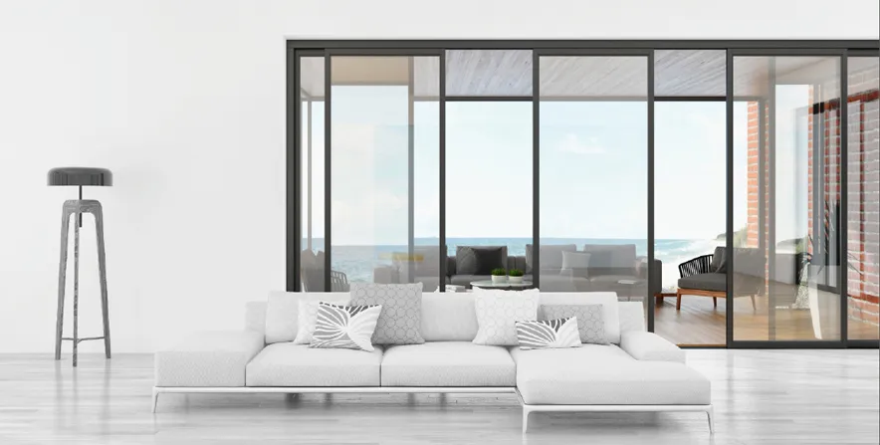
Understanding uPVC and Aluminium Windows
Before comparing them, let’s clarify what each material is. uPVc is a inflexible, weather-resistant plastic that won’t decay, destroy, or warp. It’s hollow and multi-chambered inside, which traps air and provides natural insulation. uPVC windows often come in white or woodgrain finishes and are very common in Indian homes. Aluminium, by contrast, is a strong metal. Aluminium frames are usually powder-coated for protection and come in many colors, and their inherent strength lets manufacturers make very slim profiles.
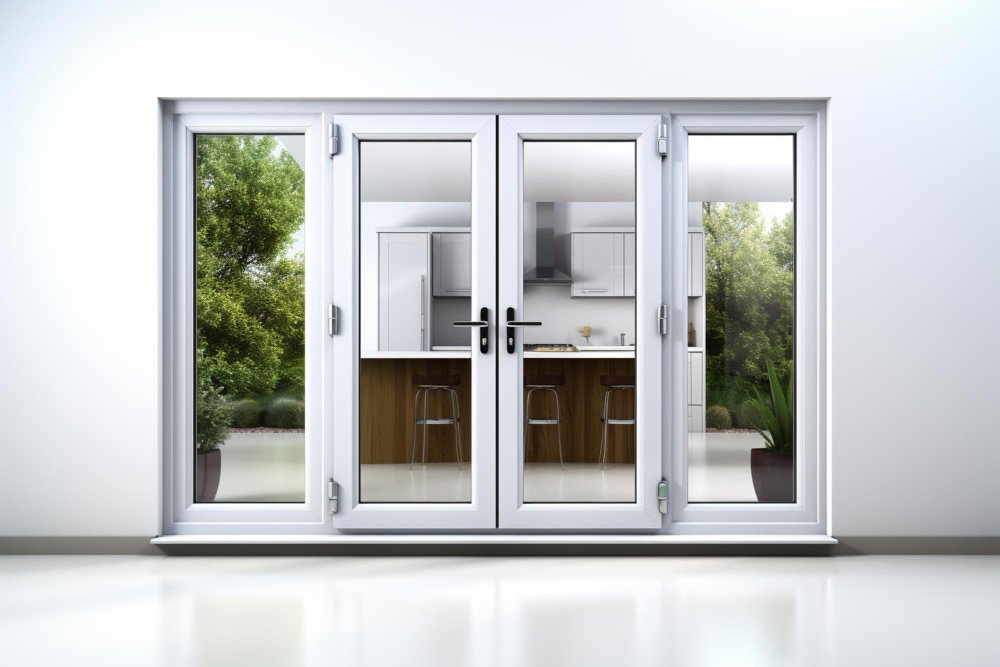
Difference Between uPVC and Aluminium Windows
1. Material Strength and Durability
This strength also means Aluminium windows can last 40–50 years or more. In fact, experts note that Aluminium frames offer “long-lasting durability” far beyond uPVC. uPVC windows are durable too – they won’t rust or rot – but after 25–30 years they may start to weaken or discolor. One problem is that uPVC profiles need steel reinforcement to stay rigid, so their frames end up thicker. However, thicker uPVC frames do add constancy, and quality uPVC can still battle scrapes and stains well.
Energy Efficiency and Thermal Insulation
When it comes to insulation, uPVC is the natural winner. uPVC frames are inherently non-conductive and have chambers that trap heat, so they keep indoor temperatures steady. Standard uPVC windows often achieve top thermal ratings. Old-style Aluminium windows were always colder in winter and hotter in summer. But modern system Aluminium windows use thermal breaks and advanced glazing that rival uPVC’s insulation. Today’s Aluminium frames can be very energy efficient if they include insulated polyamide strips and double or triple glazing.
Sound Insulation Performance
The multi-chambered, airtight construction of uPVC frames helps significantly reduce outside noise. In other words, uPVC windows offer excellent soundproofing as a built-in feature. Aluminium frames are very sturdy but slightly worse at sound insulation, since metal can transmit vibrations. However, modern Aluminium systems often use high-quality seals and double-glazing that greatly improve their noise reduction.
Maintenance Requirements
Both uPVC and Aluminium windows are low-maintenance compared to wood. You won’t need to repaint or re-stain them yearly. In routine care, you simply wipe them with soap and water. uPVC has a small advantage here: it never needs painting or refinishing at all. It resists moisture, salt, termites, and won’t flake. Aluminium frames are also easy to clean and won’t rust, but their finish can fade or chip over very long time. Sometimes Aluminium window frames may require touch-up paint or re-sealing after many years.
Design Flexibility and Appearance
System Aluminium windows come in virtually any size and can be bent or formed into floor-to-ceiling walls, loft windows, curtain walls, and sleek sliders. Aluminium is also highly customizable in color and finish (including wood-look powder-coating), making it ideal for contemporary designs. uPVC used to be limited mainly to simple white, but modern uPVC windows now come in some colors and even woodgrain finishes.
Security Features
Aluminium windows are tough to break because of the rigid metal frame. High-end Aluminium systems come with multi-point locking mechanisms and steel reinforcements that make forced entry extremely difficult. uPVC windows also often use multi-point locks, and the material itself is impact-resistant, but the plastic is not as inherently strong as metal.
Weather Resistance
uPVC was invented to resist the elements: it stands up to sunlight, rain, sea air, and freeze-thaw cycles without warping or corroding. In India’s sun, uPVC won’t fade or rot, and it’s inherently airtight. Aluminium windows are also highly weather-resistant – they won’t rust (thanks to powder coating) and they handle heat or cold without deforming. In fact, Aluminium is often preferred for extremely harsh or coastal climates if it has a proper finish: one guide notes that Aluminium is “ideal for coastal and extreme conditions” due to its superior resistance to warping and corrosion.
uPVC Windows vs Aluminium Windows Cost Comparison
Cost is often the deciding factor. uPVC windows generally cost less per square foot than system Aluminium windows. The plastic material is cheaper and the installation is usually simpler, so uPVC is “budget-friendly”. Aluminium requires more expensive raw material, welding or precise fabrication, and skilled installers to make sure its slim frames align perfectly. In rough terms, Aluminium windows can run 70–200% more than equivalent uPVC windows.
Advantages of uPVC Windows
Excellent Insulation: uPVC windows are inherently insulating, which means better temperature control and lower energy bills. They act like a thermal barrier.
Soundproofing: Their airtight frames and glazing reduce outside noise effectively – ideal for homes near traffic or on busy streets.
Low Cost: uPVC is more affordable, making it a **cost-effective** option for most houses. You get great performance at a lower price.
Low Maintenance: They need nothing more than an occasional wipe-down (no painting or sealing). They won’t rot, rust, corrode, or fade.
Variety of Styles: Modern uPVC windows come in many styles (casement, tilt-turn, sliders, etc.) and even colors or wood-look finishes. This **design flexibility** makes uPVC suitable for both classic and contemporary homes.
Chemical and Pest Resistance: uPVC frames resist harsh weather, and they’re termite-proof and rot-proof, so they last clean and bright.
uPVC vs Aluminium Windows for Indian Weather Conditions
As noted by industry experts, “uPVC windows are generally a better option for the Indian climate”. They handle heat and monsoon rains well, and they “do not warp, rot, or discolour under prolonged sun exposure”. uPVC’s insulation keeps homes cooler in scorching summers and warmer in cool winters, which is a big comfort factor. Aluminium does have the advantage of not warping or rusting, even in extreme heat or coastal humidity. However, without thermal breaks, Aluminium frames can conduct heat indoors. The consensus: for everyday comfort in India, uPVC is usually the safer bet for most homes.
Frequently Asked Questions
Q: Are Aluminium windows or uPVC windows more energy-efficient?
A: uPVC windows naturally insulate better, so they usually perform slightly better on energy efficiency out-of-the-box. Modern Aluminium windows with *thermal breaks* can match uPVC, but they must be specially designed. In hot Indian weather, uPVC tends to keep homes cooler unless the Aluminium frame has high-end insulation.
Q: Do uPVC windows last as long as Aluminium?
A: No, Aluminium generally lasts longer. Quality uPVC windows average 20–30 years, while Aluminium frames can go 40–50 years. uPVC might need replacing or big repairs a decade or two earlier than Aluminium.
Q: Which costs more: uPVC or system Aluminium windows?
A: Aluminium windows are more expensive upfront – sometimes double or more than uPVC for the same area. However, Aluminium’s durability means you may save on future replacements. For budget projects, uPVC is the cost-effective option.
Q: Are uPVC windows low maintenance?
A: Yes, extremely. uPVC frames require almost no upkeep: just clean them occasionally with soap and water. They won’t need painting or sealing. Aluminium windows are also easy to clean, but their paint or sealant might need attention after many years.
Q: Which is better for noise reduction, uPVC or Aluminium?
A: uPVC windows typically offer better sound insulation because of their multi-chamber design. Aluminium can be made very quiet with the right seals and glass, but on average, uPVC absorbs more outside noise.
Q: Can Aluminium windows rust or corrode?
A: High-quality Aluminium windows have corrosion-resistant coatings. Unlike steel, Aluminium metal won’t rust, so it actually performs well in rain and salt air. uPVC, being plastic, naturally won’t rust either, so both resist corrosion – just in different ways.