“Sikoya windows system” provide energy-efficient building materials in India. Homeowners, architects, and builders increasingly prefer uPVC for windows and doors. In this blog, we explore the “10 benefits of uPVC windows and doors in India”, from energy savings to modern design flexibility. The friendly, easy-to-understand information will help you see why uPVC is ideal for today’s homes and workplaces.
Introduction: Rising Demand for Efficiency
As energy costs rise and climates vary, Indian builders look for materials that save power and last long. uPVC windows and doors help meet these needs. They “reduce heat transfer”, cut noise, and require almost no upkeep. Architects and homeowners find that uPVC blends well with modern homes while keeping running costs low.
What Are uPVC Doors and Windows?
Understanding uPVC Material
uPVC stands for “unplasticized polyvinyl chloride” – PVC without added plasticizers. Unlike regular PVC (a flexible plastic), uPVC is rigid, strong, and weather-resistant. This makes it perfect for frames. uPVC is “naturally insulating”, meaning it doesn’t let heat or cold pass through easily.
Why uPVC Is Becoming Popular in India
India’s construction boom and new energy standards have boosted uPVC’s popularity. Rapid urbanization and awareness of green building make durable, low-maintenance materials attractive. Today’s homebuyer expects windows that last decades with minimal care. uPVC fits the bill.
How uPVC Doors and Windows Work
uPVC windows and doors use several smart design features:
Multi-Chamber Profile Technology: Modern uPVC frames are made with “multiple hollow chambers” inside the frame. Each chamber traps air, acting like insulation. This means heat from outside is slowed before entering the home.
Double & Triple Glazing Compatibility:” uPVC frames can hold double or even triple glass panes. Each extra pane adds an insulating air gap. Double-glazed uPVC windows greatly improve thermal insulation, reduce energy bills, and boost soundproofing.
Weather-Sealing Systems: To stay airtight, uPVC frames use high-quality rubber seals (often EPDM) around edges. These gaskets provide a “weather-tight closure”, blocking dust, rain, and wind. EPDM seals are UV- and heat-resistant, performing well through hot summers, heavy monsoon rains, and cold winters.
Top Benefits of uPVC Doors and Windows
Here are the “10 benefits of uPVC windows and doors in India”, explained in simple terms:
Excellent Sound Insulation: The combination of heavy glass, airtight seals, and multi-chamber frames makes uPVC very good at blocking noise. Factories, highways, and busy streets can stay outside!
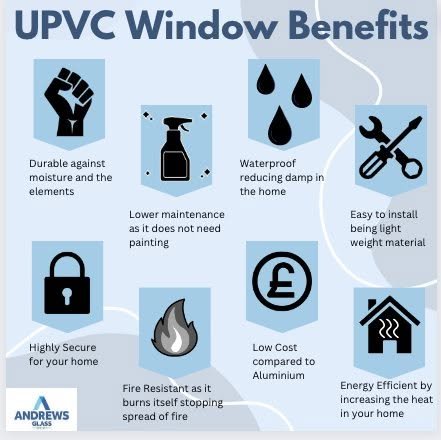
High Durability and Long Lifespan: Top-quality uPVC windows can last 25–40 years with minimal fading or damage. Unlike wood, they don’t require repainting or refinishing. Their steel-reinforced frames make them sturdy against wind and wear. Over time, that durability means lower replacement costs compared to many other materials.
Low Maintenance Requirements: Caring for uPVC is easy. Usually, “a simple wipe-down” with soapy water restores their look. No painting, sealing, or polishing is needed. Because uPVC doesn’t corrode or fade, it stays like-new for decades.
Modern Aesthetics and Customization: Today’s uPVC windows come in many sleek styles and colors. You can choose classic white or wood-grain finishes, bold matte hues, or dual-tone frames to match your decor. The profiles themselves are slim and modern, giving a contemporary look.
Enhanced Security: In addition to the multi-point locks, uPVC frames are reinforced with galvanized steel inside. This steel-core structure makes the frame very strong, perfect even for tall buildings. Combined with tough locking, uPVC windows and doors protect well against intruders.
Cost-Effective in Long Run: While good uPVC can be pricier upfront, it pays off. Lower energy bills, virtually zero maintenance costs, and decades of life mean uPVC is a smart investment. As one source notes, “They might cost a bit more upfront, but they save money in the long run”.
Fire and Corrosion Resistance: uPVC won’t ignite easily; it’s self-extinguishing if there’s a flame. It also won’t rot or corrode in India’s humid air. So uPVC doors/windows maintain integrity in harsh conditions.
Outstanding Weather Resistance: uPVC simply “does not warp, rust, or rot” under rain or sun. It’s termite-proof and won’t corrode, even in heavy monsoon or coastal salt air. With EPDM seals, uPVC windows stay watertight in monsoon downpours.
Eco-Friendly Choice: Good news for the environment: uPVC profiles are 100% recyclable. Modern manufacturing often uses recycled material too. Because they last so long, they reduce waste from replacements. And as mentioned, they cut energy use (fewer emissions).
Energy Efficiency: By now, the phrase “energy efficiency” is repeated — because it’s true for uPVC. Its low thermal conductivity and tight construction “significantly reduce heat transfer”. Whether keeping a Pune flat cool or a Shimla cottage warm, uPVC windows minimize reliance on HVAC.
Applications of uPVC Doors and Windows
uPVC products find use everywhere in India:
Residential Homes & Apartments: Homeowners love uPVC because it keeps rooms cooler in summer and warmer in winter. It also cuts outdoor noise – ideal for cities. uPVC adds modern style (many “uPVC window designs” and colors) to any home.
Commercial Buildings & Offices: Offices use uPVC to improve energy efficiency and provide a quieter workspace. The low maintenance aspect means less downtime for repairs, cutting long-term costs.
Hospitals & Clinics: uPVC’s smooth, non-porous surface means it’s hygienic and doesn’t harbor bacteria. Its sound insulation aids patient recovery by reducing hall noise.
Industrial & Factories: Even industrial spaces use uPVC for office windows or interior partitions. Its corrosion resistance makes it suitable for tough environments.
Hotels & Resorts: Luxury establishments often choose uPVC for its sleek look and comfort benefits. Guests enjoy better climate control, less noise from outside, and large glass views without energy waste.
Types of uPVC Windows and Doors
There’s a uPVC style for every need. Common “windows” include:
Sliding Windows: Two panes, one slides behind the other. Good for saving space and letting in light.
Casement Windows: Hinged at the side, open outward like a door. They provide a full view and seal tightly when closed.
Tilt-and-Turn Windows: Open in two ways – tilt in at the top or swing in from the side. Great for ventilation and easy cleaning.
Fixed Windows: Non-opening glass panels. Often combined with openers for extra light.
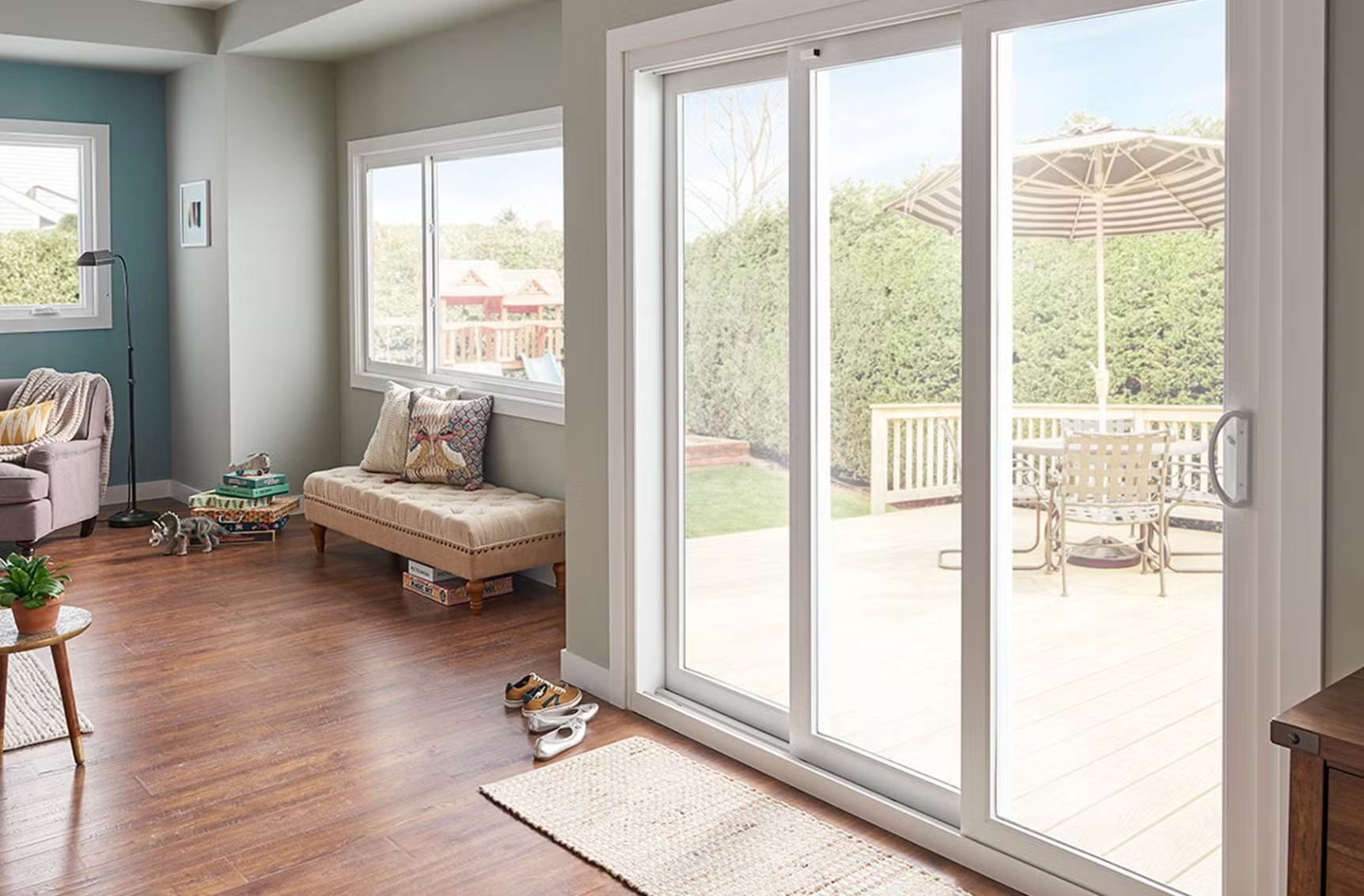
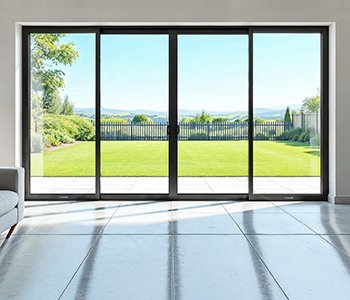
Sliding Doors (Patio Doors): Large glass panels that slide open on tracks. Save space and bring in lots of daylight. Great for balconies.
French Doors: Two swinging doors meeting in the middle. Classic look, and both can open for wide access.
Lift-and-Slide Doors: Slide doors that lift slightly when unlocked for an ultra-smooth operation.
Casement Doors: Traditional swing doors for main entrances. Can have glass panels.
Frequently Asked Questions (FAQ)
Q: What makes uPVC windows energy-efficient?
A: uPVC is a poor heat conductor, and coupled with multi-chamber profiles and tight seals, it prevents heat exchange. Double/triple glazing in uPVC frames further traps heat. This keeps indoor temperatures stable, reducing AC/heating use.
Q: How secure are uPVC doors and windows?
A: Very secure. Most have “multi-point locking systems” that lock at several points. The frames are also reinforced with steel. This makes them hard to pry open. Many systems also allow adding grills or laminated glass for extra safety.
Q: Are uPVC windows hard to maintain?
A: Not at all. Unlike wood, uPVC doesn’t need regular painting or sealing. A quick wipe with soap and water keeps them clean. They resist mold and rust, so upkeep is minimal.
“Q: Do uPVC windows really reduce noise?”
A: Yes. The combination of multiple glass panes, airtight seals, and chambered frames dramatically cuts outside noise. Many users find neighborhoods much quieter after installing uPVC.
Q: Can uPVC windows be customized in style?
A: Absolutely. You can choose from sliding, casement, tilt-turn, and more. Frames come in many colors and finishes (woodgrain, matte, etc.). Sikoya windows system offers bespoke designs to fit any architectural style.
Q: What is the lifespan of uPVC windows and doors?
A: With proper installation, uPVC systems typically last 20–30 years. High-quality uPVC can even reach 40 years. They resist weathering, so longevity is one of their top advantages.
Conclusion
“Sikoya windows system” customers benefit from the 10 advantages of uPVC windows and doors in India. These products provide energy savings, soundproofing, weather resilience, and long-term durability all in one package. With their modern designs and customization options, uPVC windows and doors fit beautifully into contemporary homes.