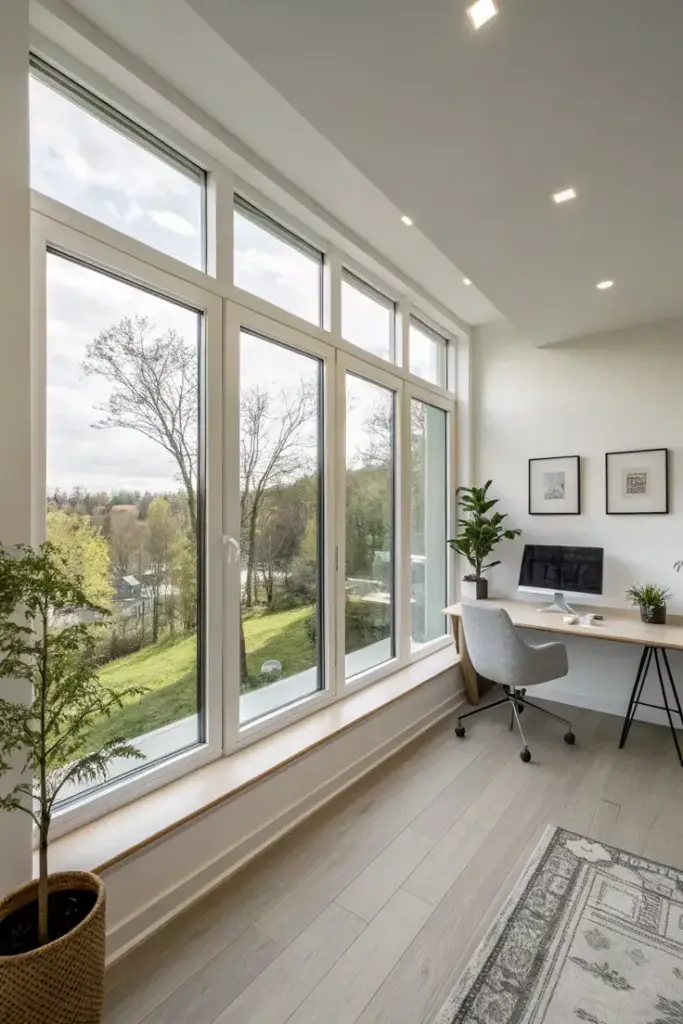
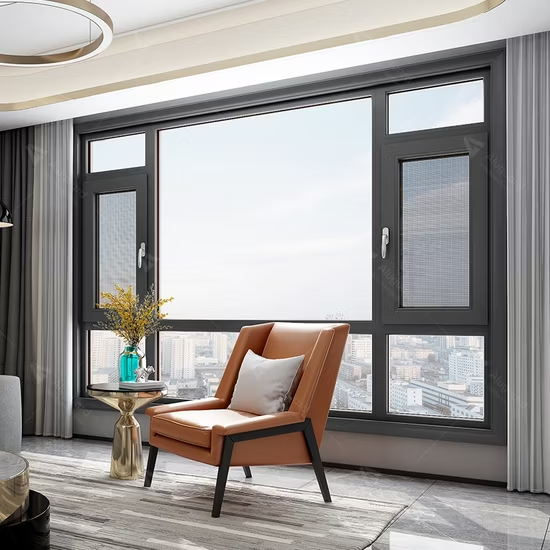
Choosing the right material for your windows and doors is one of the most important decisions when building or renovating a home. The material you choose directly affects energy efficiency, durability, maintenance requirements, aesthetics, and long-term costs. Homeowners today can choose from several options, including wood, aluminium, vinyl, and uPVC windows and doors. With increasing awareness about energy savings and low-maintenance solutions, uPVC windows and doors have become one of the most preferred choices for modern Indian homes. If you are confused about which material offers the best value, this guide on uPVC vs Other Window Materials in India: Which One Should You Invest In? will help you make an informed decision for your home or office.
What Are uPVC Windows and Doors?
uPVC stands for Unplasticized Polyvinyl Chloride, a rigid and highly durable material widely used in the construction industry for manufacturing windows, doors, and piping systems. Unlike regular PVC, uPVC does not contain plasticizers, making it stronger, more stable, and resistant to environmental damage.
Modern uPVC windows and doors offer exceptional insulation, durability, weather resistance, and minimal maintenance requirements. Since the color is integrated directly into the profile, these frames do not peel, fade, or require frequent repainting. Professional installation further ensures smooth operation and long-term performance.
At Sikoya Windows, premium-quality uPVC windows and doors are designed specifically for Indian weather conditions, offering homeowners the perfect combination of aesthetics and functionality.
Benefits of uPVC Windows and Doors
1. Excellent Energy Efficiency
One of the biggest advantages of uPVC windows and doors is their superior thermal insulation. The multi-chamber profile design reduces heat transfer, helping maintain comfortable indoor temperatures throughout the year.
Different types of upvc windows and doors for indian homes.
This results in:
- Lower electricity bills
- Reduced dependence on air conditioners and heaters
- Improved indoor comfort
For Indian climates that experience extreme summers and winters, energy-efficient uPVC windows offer substantial long-term savings.
2. Exceptional Durability
Unlike traditional materials, uPVC does not rust, corrode, warp, crack, or rot. It is highly resistant to:
- Moisture
- Heavy rainfall
- Humidity
- UV rays
- Termites and pests
This makes uPVC doors and windows highly suitable for coastal regions and areas experiencing harsh weather conditions.
3. Minimal Maintenance
Homeowners prefer uPVC windows and doors because they require almost no maintenance. Unlike wooden frames that need polishing or painting, uPVC only requires occasional cleaning using mild soap and water.
4. Superior Sound Insulation
When combined with double or triple glazing, uPVC windows and doors significantly reduce external noise pollution, creating a quieter and more peaceful indoor environment.
5. Design Flexibility
Modern uPVC windows are available in various styles including:
This flexibility allows homeowners to match different architectural styles with ease.
Benefits of Wooden Windows
Timeless Appearance
Wood has always been associated with luxury and elegance. Wooden windows offer natural warmth and a classic aesthetic appeal.
Good Insulation
Wood acts as a natural insulator and helps reduce heat transfer.
Sustainable Material
When sourced responsibly, timber can be an environmentally friendly option.
Limitations of Wooden Windows
Despite their beauty, wooden windows require:
- Regular polishing
- Painting and sealing
- Protection against termites
- Moisture treatment
Over time, wood can warp, crack, or rot if maintenance is ignored, increasing ownership costs considerably.
Benefits of Vinyl Windows
Affordable Pricing
Vinyl windows are generally considered budget-friendly options.
Good Thermal Performance
Vinyl offers decent insulation properties and helps reduce energy loss.
Low Maintenance
Cleaning and occasional maintenance are usually sufficient.
Limitations of Vinyl Windows
Vinyl windows may discolor over time under extreme sunlight and often lack the structural strength and durability offered by premium uPVC windows and doors.
Benefits of Aluminium Windows
Modern and Sleek Design
Aluminium windows are known for slim frames and contemporary aesthetics.
High Strength
Aluminium provides excellent structural strength while remaining lightweight.
Corrosion Resistance
Modern aluminium systems offer strong resistance against rust and weather damage.
Recyclable Material
Aluminium is fully recyclable and contributes to sustainable construction practices.
Limitations of Aluminium Windows
Although aluminium windows are durable, they conduct heat more easily than uPVC windows, resulting in comparatively lower thermal insulation unless thermal break technology is used, which often increases costs significantly.
uPVC vs Wood Windows
Wood delivers timeless beauty, but it demands frequent maintenance and protection against moisture and termites.
In comparison, uPVC windows and doors offer:
- Better weather resistance
- Zero termite concerns
- Improved sound insulation
- Lower maintenance costs
- Longer lifespan
For homeowners looking for convenience and long-term savings, uPVC often proves to be the smarter investment.
uPVC vs Vinyl Windows
Both vinyl and uPVC provide good insulation and durability. However, uPVC windows and doors are generally stronger and more impact-resistant.
Advantages of uPVC over vinyl include:
- Better structural stability
- Improved security
- Higher resistance to discoloration
- Better acoustic insulation
Although vinyl may have a slightly lower upfront cost, uPVC delivers better long-term value.
uPVC vs Aluminium Windows
Aluminium windows are ideal for ultra-modern architectural designs and larger openings due to their slim profiles.
However, uPVC windows and doors often outperform aluminium in:
- Thermal insulation
- Noise reduction
- Maintenance requirements
- Cost-effectiveness
The only minor drawback is that uPVC frames are usually thicker than aluminium profiles, which may slightly reduce visible glass area in some designs. However, for most residential applications, the insulation benefits significantly outweigh this limitation.
Why Choose Sikoya Windows?
At Sikoya Windows, we manufacture premium-quality uPVC windows and doors designed specifically for Indian homes and climatic conditions.
Our solutions offer:
- Superior insulation performance
- Advanced locking systems
- Elegant designs
- Custom sizes and finishes
- Professional installation services
- Long-lasting durability
Whether you are building a new home or upgrading an existing property, Sikoya Windows provides solutions that combine performance, aesthetics, and value.
Conclusion
Choosing the right window material depends on your budget, design preferences, maintenance expectations, and climate conditions. While wood offers traditional beauty and aluminium delivers sleek aesthetics, both materials come with their own maintenance or insulation challenges.
For most Indian homeowners, uPVC windows and doors provide the ideal balance of durability, energy efficiency, sound insulation, affordability, and low maintenance. Although the initial investment may sometimes be slightly higher than entry-level alternatives, the long-term savings on maintenance and energy bills make uPVC a smarter financial decision.
If you are looking for reliable, stylish, and high-performance window solutions, Sikoya Windows offers a wide range of customized uPVC windows and doors that are built to last and designed to enhance modern living spaces.
Frequently Asked Questions (FAQs)
1. Are uPVC windows better than aluminium windows?
Both materials offer durability, but uPVC windows generally provide better thermal insulation, sound reduction, and lower maintenance requirements.
2. How long do uPVC windows and doors last?
High-quality uPVC windows and doors can easily last 25 to 35 years with minimal maintenance.
3. Do uPVC windows fade in sunlight?
No. Premium-quality uPVC profiles are UV-resistant and do not fade, peel, or discolor easily.
4. Are uPVC windows suitable for Indian weather?
Yes. uPVC windows and doors are specifically designed to withstand extreme heat, heavy rain, humidity, and dust conditions commonly found in India.
5. Are uPVC windows environmentally friendly?
Yes. uPVC is recyclable, energy-efficient, and helps reduce overall energy consumption in buildings.
6. Which is more cost-effective: uPVC or wooden windows?
While wooden windows may require regular maintenance and repairs, uPVC windows and doors offer lower lifetime ownership costs.